• Link to Instagram
  • Link to Facebook
  • Link to Youtube
  • Sign Up For Our Newsletter And Get A Free Foraging Guide!
Found Food
  • Home
  • Foraging Books
    • The Wild Mixologist: Cocktails & Mocktails
    • The Bushcrafter’s Guide to Foraging
    • UK Seasonal Foraging Books
    • The Forager’s Introduction to Botany
  • Online Courses
    • Getting Started Foraging for Wild Food
    • Wild Food & ID Masterclass
    • Wild Cocktails Course
  • Book Foraging Experiences
  • About
    • FAQs
    • The Association of Foragers
    • Testimonials
    • Blog
  • Contact Us
  • Click to open the search input field Click to open the search input field Search
  • Menu Menu

Identifying Trees in Winter

General, Tree
Please note: This article was originally posted on www.totallywilduk.co.uk

Identifying trees in Winter is hard. It isn’t too bad in Spring, Summer and Autumn; But during the winter, when there are no leaves, flowers or fruits on show, it’s pretty awful.

Winter Trees

Why trees? What has that got to do with foraging?

The obvious reason is that some have edible parts. The fruit of Sweet Chestnut, Acorns (after processing), and Apples for example. But there’s a secondary reason too. Trees can point toward other edible resources. For example, Cattails (or Greater Reed Mace) grow in water and are available all year round as a food source. Willow and Alder trees also like to grow near water. So, if you can spot weeping willow and/or alder trees in winter, there may be Cattails nearby too.

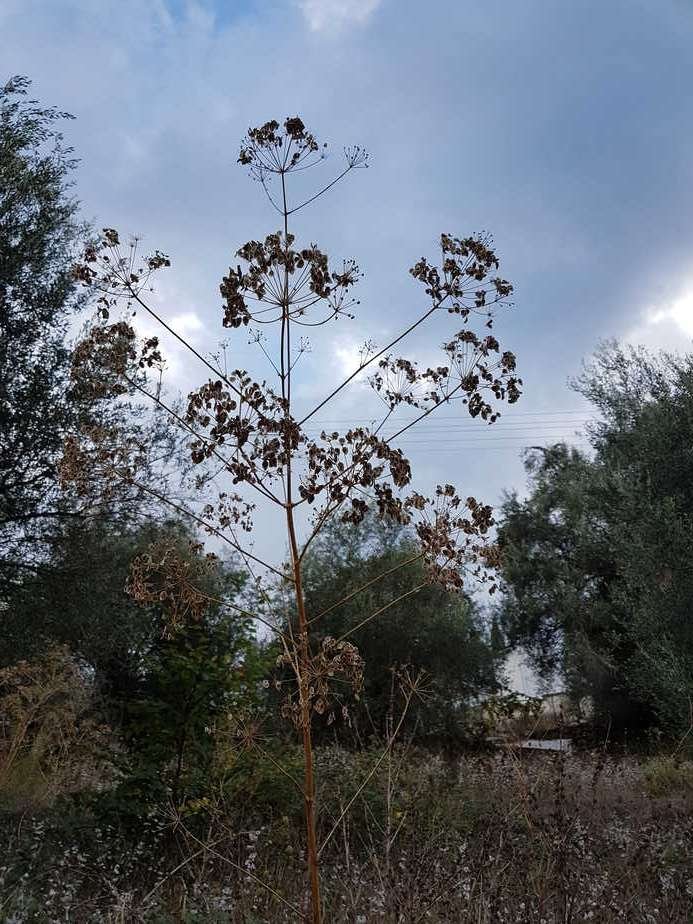
Willow and Reedmace

So what about when there are no leaves, flowers or fruit to help me?

Honestly, part of me doesn’t really care that much (I know, you’re horrified, right?) But seriously, unless I’m in a survival situation, they’re no use to me in the Winter, and I can always come back later and identify them when it’s easier. That said, maybe you’re out and about and you want to know whether it’s worth coming back in the productive seasons. So, here are a few things that can help.

Apps and Books to use

I have the “British Trees” app from the Woodland Trust, and that’s quite good. I also use the Collins Gem “Trees” book; Mostly because it’s small and easy to carry around. There are many other tree reference books that you could refer to at home when returning with lots of pictures.

Parts of a tree that can help in identification

That’ll be all the parts you can see, and sometimes, where the tree is. Including: bark, general shape/outline, twigs, leaf buds (which are present throughout Autumn and Winter, not just in Spring), any remaining fruit and/or seeds/cones, any remaining leaves/needles, and any remaining flowers (some catkins remain through the winter). Also, don’t forget to look down; There could be leaf litter and other evidence on the floor around the tree.

Hazelnut Litter

Leaves or not?

Probably the most obvious place to start would be whether it has leaves through the winter or not. If it does, then you have leaf shapes to look at too, such as the needle-like leaves of conifers, or the spiky, shiny leaves of holly for example.

Holly Leaves

Location

The location of a tree can be helpful in identification. As I mentioned before, certain trees like to be in wet, marshy ground; Or Scots pine, for example tends to be found in poor soil, rocky areas, and generally where other trees don’t like to grow.

Alder tree with its “feet” in the river

Shape

The shape of a tree from a distance can also give you a starting point. If your tree is in the middle of a forest, this isn’t so easy, but if you can see the whole thing you may be able to begin with trees that grow tall and thin, or short and wide, warped and twisted, etc.

White Poplar

Bark

The bark of a tree is there year-round and can be a key identifier. Birches with their white, peel-able bark, cherries and plums with their shiny, red-ish bark with horizontal lenticels, poplar with their creepy, eye-like markings, and so on.
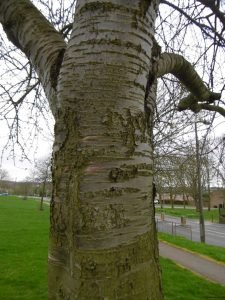
Cherry Bark

Twigs

Twigs can be hairy or hairless, slightly different colours, with or without glands, fine and delicate or more substantial, and the arrangement of buds on the twigs can be useful too.

Birch twig

Leaf buds

Contrary to popular belief, the leaf buds on trees are generally there throughout winter and are quite different between tree species. For example, Beech buds are long (up to 2 cm), slender, very pointed, red-ish brown, with obvious scales; Oak are shorter, egg-shaped, orange brown, and form in clusters at the shoot tips.

Beech Buds

Other features

Some trees have other features which you can look out for too. For example, common alder cones tend to remain on the tree into the next season; Common hawthorn has short, sharp thorns throughout; blackthorn has long, vicious-looking thorns throughout and so on.

Blackthorn Spines

Finally

I hope you’ve found this helpful. It’s not meant to be a guide to identification, just a few pointers to help you get started. Happy tree hunting!
Share this:

  • Share on Facebook (Opens in new window) Facebook
  • Share on X (Opens in new window) X

Like this:

Like Loading…

Related

16 February 2017/0 Comments/by Gavin
Tags: blog, foraging, identifying trees, Tree, winter
Share this entry
  • Share on Facebook
  • Share on X
  • Share on WhatsApp
  • Share on LinkedIn
  • Share by Mail
https://foundfood.com/wp-content/uploads/2021/03/Willow-and-Reedmace2-e1547478405593.jpg 693 924 Gavin https://foundfood.com/wp-content/uploads/2024/05/Found_Food_Foraging_newlogo-300x158.png Gavin2017-02-16 20:15:372023-12-07 12:00:18Identifying Trees in Winter
You might also like
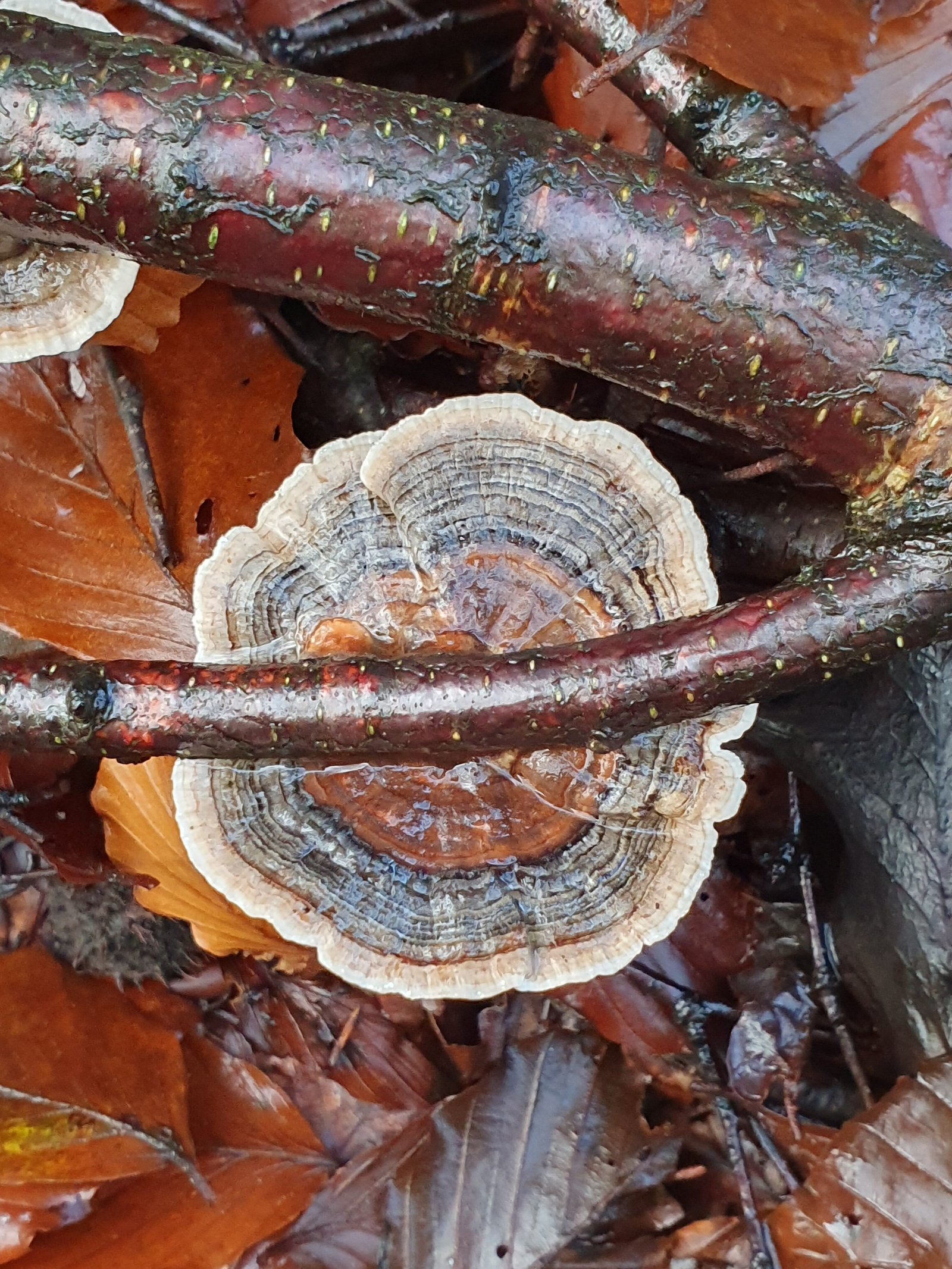
Turkey Tail Fungus
Sneaky Chickweed
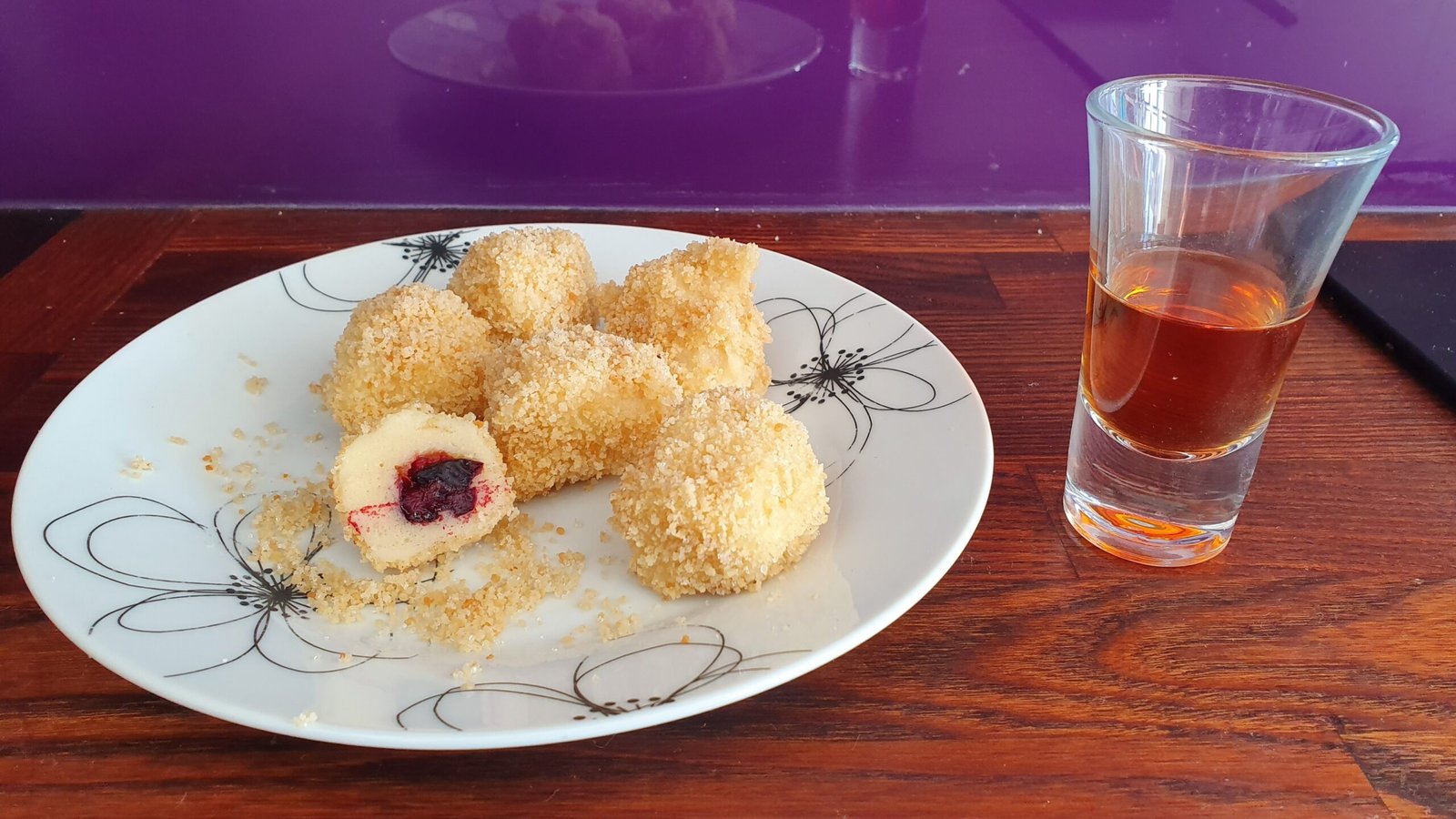
Sloe dumplings Sloe, Sloe, Sloe!
Foraging on the Coastline – Part 3
3 Things You Can Forage For In September
Where do I forage for free food from?
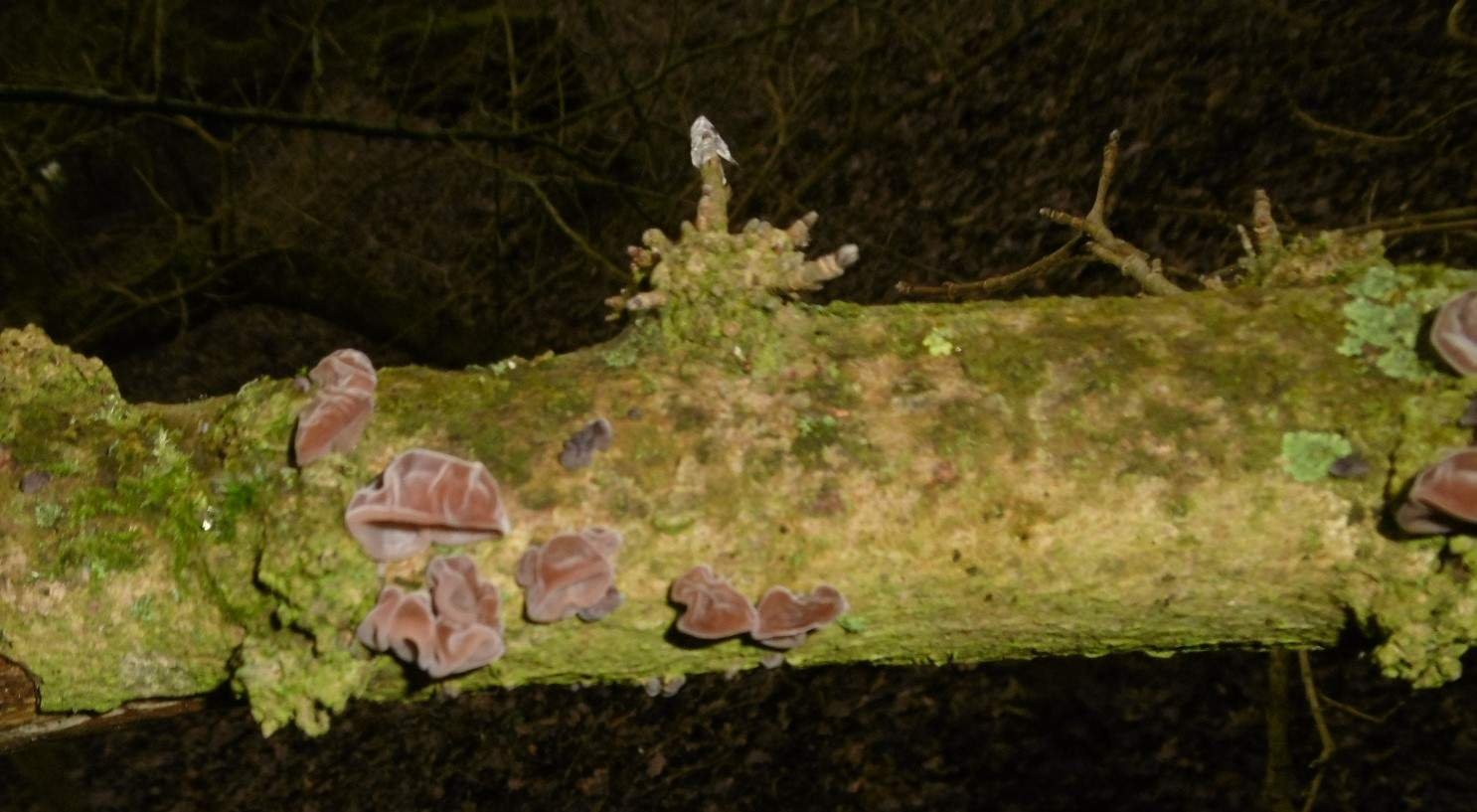
Tree Fungus in Epping Forest
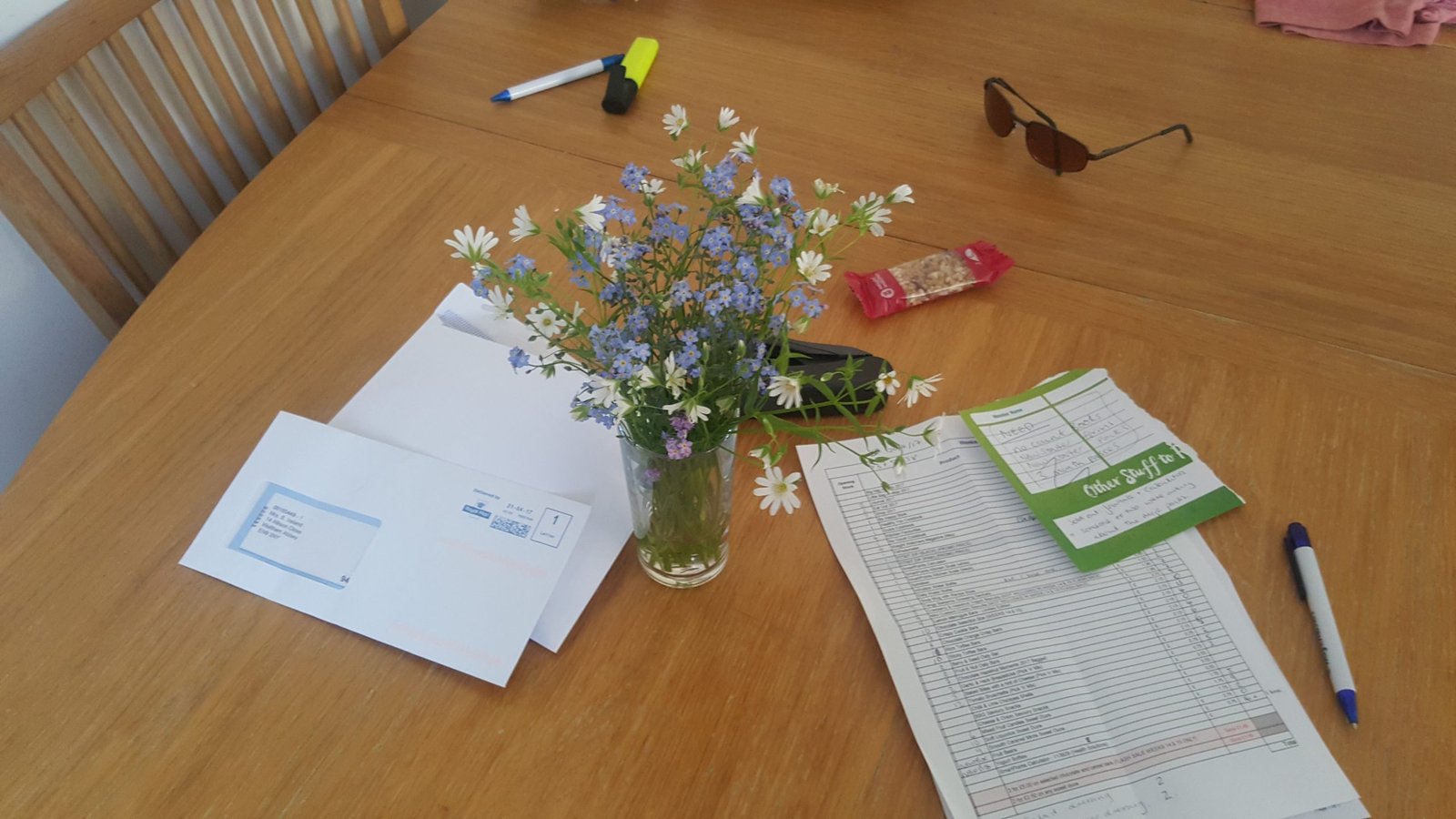
Edible Desk Pretties (Edible Wild Flowers)
0 replies

Leave a Reply

Want to join the discussion?
Feel free to contribute!

Leave a Reply Cancel reply

Your email address will not be published. Required fields are marked *

Search Search

Categories

  • 2017
  • 2018
  • 2024
  • 2025
  • Aegopodium podograria
  • Alliaria petiolata
  • Allium
  • Allium ursinum
  • Allium vineale
  • Allium vineale
  • April
  • Artemisia vulgaris
  • Asteraceae
  • August
  • Auricularia auricula-judae
  • Autumn
  • Ballota nigra
  • Berries
  • Boletus edulis
  • Calocybe gambosa
  • Cardamine hirsuta
  • Castanea sativa
  • Chamaenerion
  • Chamaenerion
  • Chamaenerion angustifolium
  • Cirsium vulgare
  • Coastal
  • Conopodium
  • Conopodium majus
  • Coprinus comatus
  • Crataegus
  • Crataegus monogyna
  • February
  • Flowers
  • Foraging
  • Fragaria vesca
  • Fungus
  • General
  • Geranium molle
  • Glechoma
  • Glechoma hederacea
  • Grifola frondosa
  • Inula helenium
  • January
  • June
  • Juniperus
  • Lamium album
  • Lamium purpureum
  • Larix
  • Larix decidua
  • Larix larcina
  • Lavandula
  • Leaves
  • Mahonia aquifolium
  • March
  • Medicine
  • Melissa
  • Melissa officinalis
  • October
  • Onagraceae
  • Picea
  • Picea abies
  • Picea glauca
  • Picea sitchensis
  • Pinus contorta
  • Pinus strobus
  • Plants
  • Platanus x acerifolia
  • Prunella
  • Prunella vulgaris
  • Prunus
  • Prunus spinosa
  • Rabelera
  • Recipe
  • Reynoutria
  • Reynoutria japonica
  • Ribes
  • Ribes rubrum
  • Roots
  • Rosa canina
  • Rosaceae
  • Rumex acetosa
  • Rumex crispus
  • Sambucus nigra
  • Sarcoscypha coccinea
  • Sequoia
  • Sequoia sempervirens
  • Sequoiadendron
  • Silene
  • Silene dioica
  • Smyrnium olusatrum
  • Solanum
  • Solanum americanum
  • Spring
  • Stachys
  • Stachys sylvatica
  • Stellaria
  • Stellaria media
  • Stellaria nemorum
  • Summer
  • Survival
  • Symphytum officinale
  • Symphytum x uplandicum
  • Taraxacum
  • Taraxacum officinale
  • Thuja occidentalis
  • Thuja plicata
  • Tilia
  • Tilia cordata
  • Tree
  • Tsuga
  • Tsuga canadensis
  • Tsuga heterophylla
  • Tussilago farfara
  • Typha angustifolia
  • Typha latifolia
  • Uncategorised
  • Urtica dioica
  • Urticaceae
  • Video
  • wildlife
  • Winter
Privacy & Cookies: This site uses cookies. By continuing to use this website, you agree to their use.

To find out more, including how to control cookies, see here: Cookie Policy

FoundFood

  • Home
  • Contact
  • About

Helper Sites

  • The Forager Helper
  • The Wild Herbalist Helper (coming soon…)

Courses and Walks

    • Face-to-face experiences
    • Private events
    • Online Courses
    • FREE Weekly Foraging Zoom Calls


Publications

    • Publications
    • Newsletter


Trustpilot
© Copyright - Found Food
  • Link to Instagram
  • Link to Facebook
  • Link to Youtube
  • Terms of Service
  • Privacy Policy
Link to: Tree Fungus in Epping Forest Link to: Tree Fungus in Epping Forest Tree Fungus in Epping Forest Link to: Pesky Alexanders Link to: Pesky Alexanders Pesky Alexanders
Scroll to top Scroll to top Scroll to top

This site uses cookies. By continuing to browse the site, you are agreeing to our use of cookies.

Accept settingsHide notification onlySettings

Cookie and Privacy Settings


How we use cookies

We may request cookies to be set on your device. We use cookies to let us know when you visit our websites, how you interact with us, to enrich your user experience, and to customize your relationship with our website.

Click on the different category headings to find out more. You can also change some of your preferences. Note that blocking some types of cookies may impact your experience on our websites and the services we are able to offer.

Essential Website Cookies

These cookies are strictly necessary to provide you with services available through our website and to use some of its features.

Because these cookies are strictly necessary to deliver the website, refusing them will have impact how our site functions. You always can block or delete cookies by changing your browser settings and force blocking all cookies on this website. But this will always prompt you to accept/refuse cookies when revisiting our site.

We fully respect if you want to refuse cookies but to avoid asking you again and again kindly allow us to store a cookie for that. You are free to opt out any time or opt in for other cookies to get a better experience. If you refuse cookies we will remove all set cookies in our domain.

We provide you with a list of stored cookies on your computer in our domain so you can check what we stored. Due to security reasons we are not able to show or modify cookies from other domains. You can check these in your browser security settings.

Other external services

We also use different external services like Google Webfonts, Google Maps, and external Video providers. Since these providers may collect personal data like your IP address we allow you to block them here. Please be aware that this might heavily reduce the functionality and appearance of our site. Changes will take effect once you reload the page.

Google Webfont Settings:

Google Map Settings:

Google reCaptcha Settings:

Vimeo and Youtube video embeds:

Privacy Policy

You can read about our cookies and privacy settings in detail on our Privacy Policy Page.

Privacy Policy
Accept settingsHide notification only

Loading Comments...

    %d