• Link to Instagram
  • Link to Facebook
  • Link to Youtube
  • Sign Up For Our Newsletter And Get A Free Foraging Guide!
Found Food
  • Home
  • Foraging Books
    • The Wild Mixologist: Cocktails & Mocktails
    • The Bushcrafter’s Guide to Foraging
    • UK Seasonal Foraging Books
    • The Forager’s Introduction to Botany
  • Online Courses
    • Getting Started Foraging for Wild Food
    • Wild Food & ID Masterclass
    • Wild Cocktails Course
  • Book Foraging Experiences
  • About
    • FAQs
    • The Association of Foragers
    • Testimonials
    • Blog
  • Contact Us
  • Click to open the search input field Click to open the search input field Search
  • Menu Menu

3 Things You Can Forage For In August

2025, Artemisia vulgaris, Fragaria vesca, Sambucus nigra
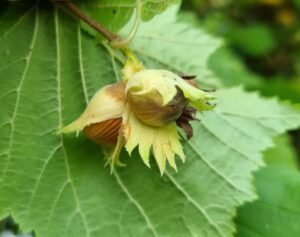
    1. Hazelnuts (Corylus avellana)

      First up is hazelnuts (Corylus avellana). So much sweeter and more than their shop-bought equivalent, not to mention free! Can you believe that at the time of writing they cost over £20 a kilo, but if you get there before the squirrels they’re absolutely free!

      You can eat them raw from the tree or roast them for an intense chocolatey flavour.
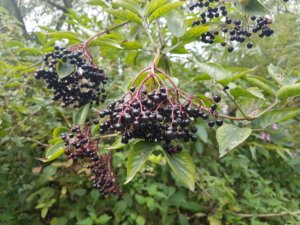
    1. Elderberries (Sambucus nigra)

      Late in August you’ll find these delicious little bombs of flavour and medicinal goodness dripping from Elder trees.

      Wait for them to ripen to almost black, and cook thoroughly to make jams, sauces, wines and desserts.
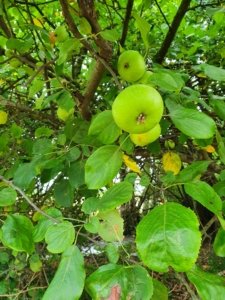
    1. Crab apple (Malus sylvestris)
      This wild ancestors of the apples that we all know and love, can sometimes have a challenging sour flavour but even so make excellent crisps and replacements for cooking apples. They can also be added anywhere pectin is needed, such as jellies, jams, and fruit leather.
 

What will you be on the forage for this month?

4 August 2025/0 Comments/by Gavin
https://foundfood.com/wp-content/uploads/2025/08/1.png 1350 1080 Gavin https://foundfood.com/wp-content/uploads/2024/05/Found_Food_Foraging_newlogo-300x158.png Gavin2025-08-04 09:15:332025-08-04 09:15:333 Things You Can Forage For In August

3 Things You Can Forage For In June

2025, Artemisia vulgaris, Fragaria vesca, Sambucus nigra
    1. Elderflower (Sambucus nigra)
      Elderflowers are in full bloom in June and are easy to spot with their creamy white, fragrant clusters. They’re fantastic for making cordials, syrups, and even elderflower fritters.
      Foraging tip: Only take a few heads from each tree to leave plenty for wildlife and later fruiting.

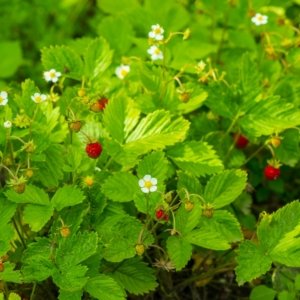
    1. Wild Strawberries (Fragaria vesca)
      These tiny, sweet berries start ripening in June and can often be found on grassy banks, woodland edges, and hedgerows. They pack a ton of flavour for their size!
      Foraging tip: Look for the classic three-leaf clusters and tiny red fruits close to the ground.

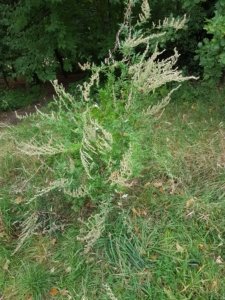
    1. Mugwort (Artemisia vulgaris)
      You’ll spot mugwort growing along hedge banks, roadsides, and on waste ground throughout the UK in early summer. It’s a tall perennial with deeply divided, dark green leaves that are silvery underneath, and it starts to flower from mid-June.

      Foraging tip: Always double-check your ID, as mugwort can be confused with other Artemisia species. Avoid if pregnant, and as with all wild plants, only eat after positive identification.


What will you be on the forage for this month?

12 June 2025/0 Comments/by Gavin
https://foundfood.com/wp-content/uploads/2025/04/1.png 1350 1080 Gavin https://foundfood.com/wp-content/uploads/2024/05/Found_Food_Foraging_newlogo-300x158.png Gavin2025-06-12 09:51:372025-06-12 09:51:373 Things You Can Forage For In June

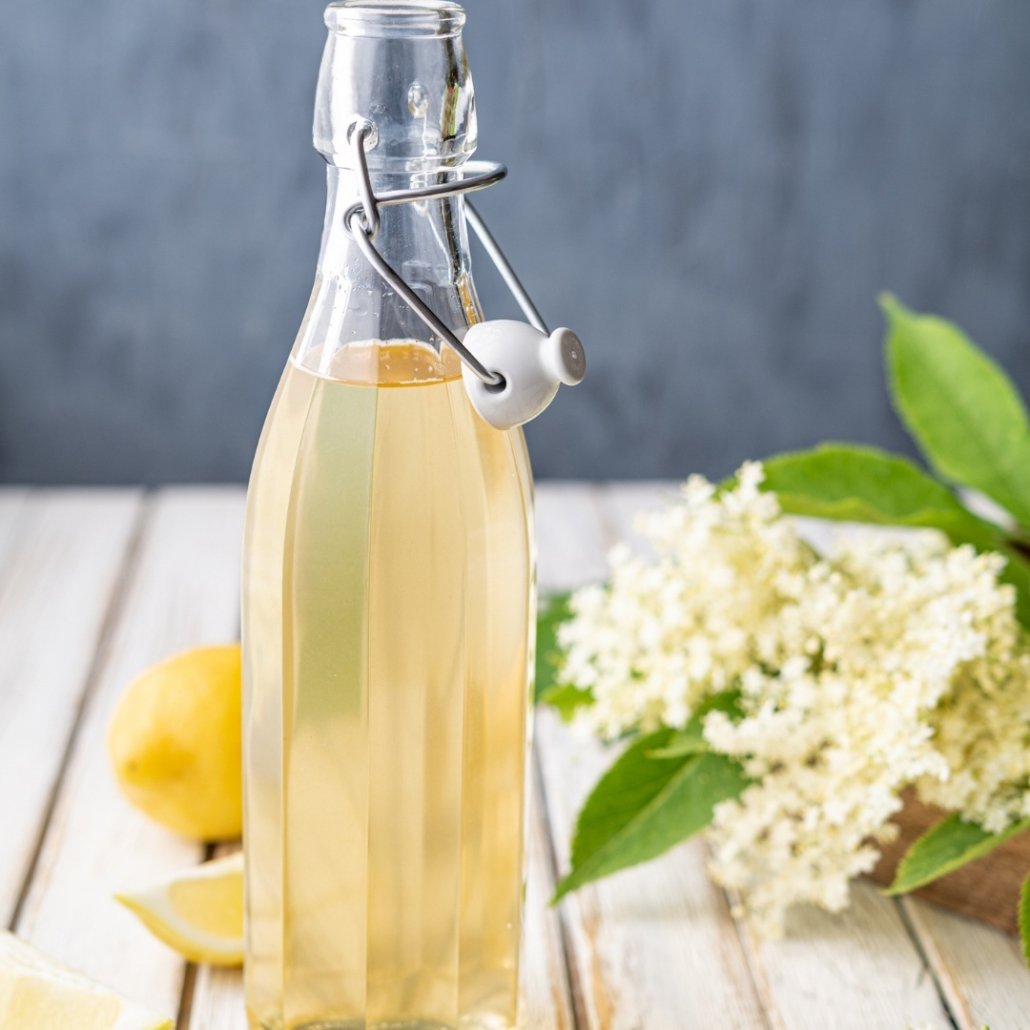
Elderflower Cordial

Sambucus nigra

I love the smell and the taste of Elderflower, so every year it is a race to make as many things as I can from them to last for the rest of the year. This is one of the most versatile options because you can use it to make so many other things.

What you’ll need:

  • 10 heads of Elderflowers.
  • 750ml water.
  • Juice of 3 lemons or 2 teaspoons of citric acid.
  • 600g sugar.

How to make it:

  1. Heat the water and dissolve the sugar into it.
  2. Take the water off the heat and add the lemon juice or citric acid, and the Elderflowers.
  3. Make sure that the Elderflowers are properly submerged, and leave to infuse for 2 to 3 hours.
  4. Strain the liquid through a muslin cloth, and pour into sterilised bottles.
  5. Keep the bottles in the fridge and use within 3 months.

Now you have Elderflower cordial, you can have it as a cold drink, a hot drink, a cocktail, you can freeze it in cubes for other drinks, you can use it in baking and other desserts, you can add it to creams, and many many other uses.

30 May 2024/0 Comments/by Gavin
https://foundfood.com/wp-content/uploads/2024/05/Summer_england-square-12.jpeg 1080 1080 Gavin https://foundfood.com/wp-content/uploads/2024/05/Found_Food_Foraging_newlogo-300x158.png Gavin2024-05-30 13:24:462024-05-30 13:24:50Elderflower Cordial
Privacy & Cookies: This site uses cookies. By continuing to use this website, you agree to their use.

To find out more, including how to control cookies, see here: Cookie Policy

FoundFood

  • Home
  • Contact
  • About

Helper Sites

  • The Forager Helper
  • The Wild Herbalist Helper (coming soon…)

Courses and Walks

    • Face-to-face experiences
    • Private events
    • Online Courses
    • FREE Weekly Foraging Zoom Calls


Publications

    • Publications
    • Newsletter


Trustpilot
© Copyright - Found Food
  • Link to Instagram
  • Link to Facebook
  • Link to Youtube
  • Terms of Service
  • Privacy Policy
Scroll to top Scroll to top Scroll to top

This site uses cookies. By continuing to browse the site, you are agreeing to our use of cookies.

Accept settingsHide notification onlySettings

Cookie and Privacy Settings


How we use cookies

We may request cookies to be set on your device. We use cookies to let us know when you visit our websites, how you interact with us, to enrich your user experience, and to customize your relationship with our website.

Click on the different category headings to find out more. You can also change some of your preferences. Note that blocking some types of cookies may impact your experience on our websites and the services we are able to offer.

Essential Website Cookies

These cookies are strictly necessary to provide you with services available through our website and to use some of its features.

Because these cookies are strictly necessary to deliver the website, refusing them will have impact how our site functions. You always can block or delete cookies by changing your browser settings and force blocking all cookies on this website. But this will always prompt you to accept/refuse cookies when revisiting our site.

We fully respect if you want to refuse cookies but to avoid asking you again and again kindly allow us to store a cookie for that. You are free to opt out any time or opt in for other cookies to get a better experience. If you refuse cookies we will remove all set cookies in our domain.

We provide you with a list of stored cookies on your computer in our domain so you can check what we stored. Due to security reasons we are not able to show or modify cookies from other domains. You can check these in your browser security settings.

Other external services

We also use different external services like Google Webfonts, Google Maps, and external Video providers. Since these providers may collect personal data like your IP address we allow you to block them here. Please be aware that this might heavily reduce the functionality and appearance of our site. Changes will take effect once you reload the page.

Google Webfont Settings:

Google Map Settings:

Google reCaptcha Settings:

Vimeo and Youtube video embeds:

Privacy Policy

You can read about our cookies and privacy settings in detail on our Privacy Policy Page.

Privacy Policy
Accept settingsHide notification only

Loading Comments...