
• Link to Instagram
  • Link to Facebook
  • Link to Youtube
  • Sign Up For Our Newsletter And Get A Free Foraging Guide!
Found Food
  • Home
  • Foraging Books
    • The Wild Mixologist: Cocktails & Mocktails
    • The Bushcrafter’s Guide to Foraging
    • UK Seasonal Foraging Books
    • The Forager’s Introduction to Botany
  • Online Courses
    • Getting Started Foraging for Wild Food
    • Wild Food & ID Masterclass
    • Wild Cocktails Course
  • Book Foraging Experiences
  • About
    • FAQs
    • The Association of Foragers
    • Testimonials
    • Blog
  • Contact Us
  • Click to open the search input field Click to open the search input field Search
  • Menu Menu

Tag Archive for: FoundFood

3 Things You Can Forage For In October

2025, Coprinus comatus, Prunus spinosa, Rosa canina
Read more
2 October 2025/0 Comments/by Gavin
https://foundfood.com/wp-content/uploads/2025/10/1.png 1350 1080 Gavin https://foundfood.com/wp-content/uploads/2024/05/Found_Food_Foraging_newlogo-300x158.png Gavin2025-10-02 08:53:392025-10-02 08:53:393 Things You Can Forage For In October

3 Things You Can Forage For In September

2025, Boletus edulis, Castanea sativa, Grifola frondosa
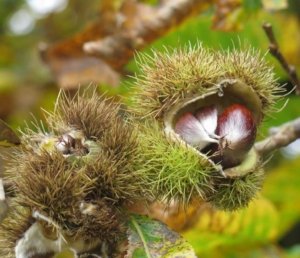
    1. Sweet Chestnuts (Castanea sativa)

      Sweet chestnuts are autumn’s treat, look for spiky green cases on the woodland floor. Crack them open for glossy brown nuts, perfect for roasting or adding to seasonal dishes. They’re a bit fiddly, but totally worth it!
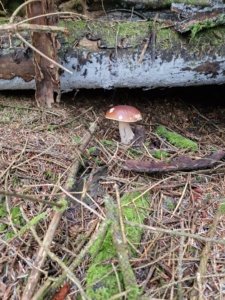
    1. Penny Buns (Boletus edulis)

      Penny Bun (Boletus edulis). The penny bun, aka porcini, is the king of wild mushrooms, popping up in beech and oak woods after rain. With a fat white stem and brown cap, it’s easy to spot. Fry in butter or add to risotto for a real wild flavour.
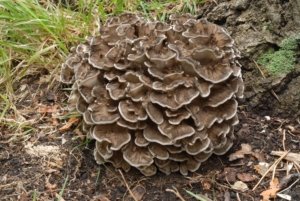
     

    1. Hen of the Woods (Grifola frondosa)
      Hen of the Woods (Grifola frondosa) Hen of the woods, aka Maitake, grows in big, ruffled clusters at the base of old oaks. It’s firm, tasty, and soaks up flavours, great in stir-fries or simply roasted. Once you find one, check the same spot next year!


What will you be on the forage for this month?

1 September 2025/0 Comments/by Gavin
https://foundfood.com/wp-content/uploads/2025/09/1.png 1350 1080 Gavin https://foundfood.com/wp-content/uploads/2024/05/Found_Food_Foraging_newlogo-300x158.png Gavin2025-09-01 20:11:402025-09-01 20:11:403 Things You Can Forage For In September

3 Things You Can Forage For In August

2025, Artemisia vulgaris, Fragaria vesca, Sambucus nigra
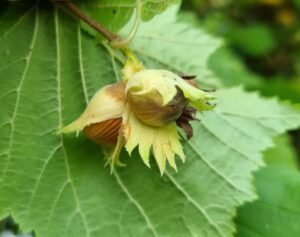
    1. Hazelnuts (Corylus avellana)

      First up is hazelnuts (Corylus avellana). So much sweeter and more than their shop-bought equivalent, not to mention free! Can you believe that at the time of writing they cost over £20 a kilo, but if you get there before the squirrels they’re absolutely free!

      You can eat them raw from the tree or roast them for an intense chocolatey flavour.
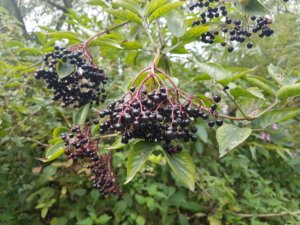
    1. Elderberries (Sambucus nigra)

      Late in August you’ll find these delicious little bombs of flavour and medicinal goodness dripping from Elder trees.

      Wait for them to ripen to almost black, and cook thoroughly to make jams, sauces, wines and desserts.
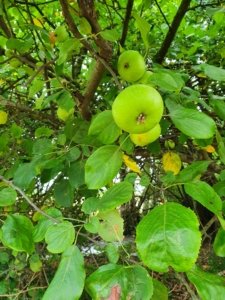
    1. Crab apple (Malus sylvestris)
      This wild ancestors of the apples that we all know and love, can sometimes have a challenging sour flavour but even so make excellent crisps and replacements for cooking apples. They can also be added anywhere pectin is needed, such as jellies, jams, and fruit leather.


What will you be on the forage for this month?

4 August 2025/0 Comments/by Gavin
https://foundfood.com/wp-content/uploads/2025/08/1.png 1350 1080 Gavin https://foundfood.com/wp-content/uploads/2024/05/Found_Food_Foraging_newlogo-300x158.png Gavin2025-08-04 09:15:332025-08-04 09:15:333 Things You Can Forage For In August

3 Things You Can Forage For In June

2025, Artemisia vulgaris, Fragaria vesca, Sambucus nigra
    1. Elderflower (Sambucus nigra)
      Elderflowers are in full bloom in June and are easy to spot with their creamy white, fragrant clusters. They’re fantastic for making cordials, syrups, and even elderflower fritters.
      Foraging tip: Only take a few heads from each tree to leave plenty for wildlife and later fruiting.

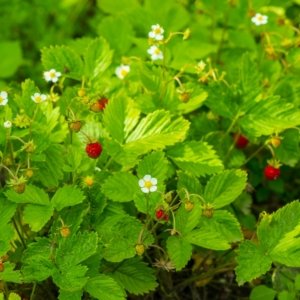
    1. Wild Strawberries (Fragaria vesca)
      These tiny, sweet berries start ripening in June and can often be found on grassy banks, woodland edges, and hedgerows. They pack a ton of flavour for their size!
      Foraging tip: Look for the classic three-leaf clusters and tiny red fruits close to the ground.

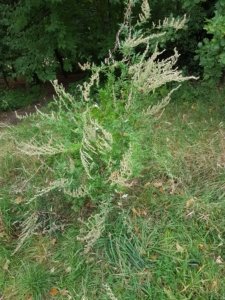
    1. Mugwort (Artemisia vulgaris)
      You’ll spot mugwort growing along hedge banks, roadsides, and on waste ground throughout the UK in early summer. It’s a tall perennial with deeply divided, dark green leaves that are silvery underneath, and it starts to flower from mid-June.

      Foraging tip: Always double-check your ID, as mugwort can be confused with other Artemisia species. Avoid if pregnant, and as with all wild plants, only eat after positive identification.


What will you be on the forage for this month?

12 June 2025/0 Comments/by Gavin
https://foundfood.com/wp-content/uploads/2025/04/1.png 1350 1080 Gavin https://foundfood.com/wp-content/uploads/2024/05/Found_Food_Foraging_newlogo-300x158.png Gavin2025-06-12 09:51:372025-06-12 09:51:373 Things You Can Forage For In June

3 Things You Can Forage For In May

2025, Allium vineale, Conopodium, Conopodium majus, Smyrnium olusatrum
  • First up is Alexanders (Smyrnium olusatrum). The stems are nice and chunky in May, hollow and grooved on the outside. They smell and taste like a floral version of celery and I’ll be eating them with salad cream and chopping them into stews.
  • I found out recently that if you cut the stems into 5mm slices and fry until crispy, they are absolutely delicious!
Alexanders in flower

Alexanders in flower


  • Crow garlic (Allium vineale) has been around for a while, but its green stems are hard to spot in the meadows where it likes to grow. The red flowers/seed heads make it much easier to find and I’ll be using it as a garlicky substitute for chives.
Crow garlic

Crow garlic

  • Like crow garlic, Pignuts (Conopodium majus) is pretty tough to find before it flowers and that’s the best time to pick it. However, I found that they’re still good whilst flowering. Don’t forget to get the landowner’s permission before digging up these tasty tubers.
Pignut leaves

Pignut leaves


What will you be on the forage for this month?
1 May 2025/0 Comments/by Gavin
https://foundfood.com/wp-content/uploads/2025/04/1.png 1350 1080 Gavin https://foundfood.com/wp-content/uploads/2024/05/Found_Food_Foraging_newlogo-300x158.png Gavin2025-05-01 11:05:462025-04-30 11:09:073 Things You Can Forage For In May

3 Things You Can Forage For In April

2025, Aegopodium podograria, Alliaria petiolata, Calocybe gambosa
  • First up is Ground Elder leaves (Aegopodium podagraria). Its primary common name comes from the fact that it grows low to the ground, and the leaves look a little like Elder tree leaves (although the two are not related).
    It has a strong “herby” smell, so I use it in salads, as a garnish for chicken and fish, and to flavour mashed potato.
    Look out for a Wednesday Weed Waffle coming soon.

Ground elder


  • Garlic Mustard leaves (Alliaria petiolata) likes hedgerows and woodland edges, favouring partial shade.
    In early spring I’ll be eating the leaves raw, later on I’ll be using the leaves as a last-minute flavour such as stirring them into pasta or potatoes just before serving.
    In the later summer I’ll be looking out for the tasty, pungent seeds!
    You can find the
    Wednesday Weed Waffle recordings and accompanying eBook about Garlic Mustard here
Garlic Mustard leaf

Garlic Mustard leaf

  • St. George’s mushrooms (Calocybe gambosa). Until fairly recently I overlooked them as the smell was a little off-putting for me. What a mistake to make! Cooked, these mushrooms are absolutely delicious and widely regarded as a delicacy in Europe.
St. George's mushrooms

St. George’s mushrooms


What will you be on the forage for this month?

1 April 2025/0 Comments/by Gavin
https://foundfood.com/wp-content/uploads/2025/03/1.png 1350 1080 Gavin https://foundfood.com/wp-content/uploads/2024/05/Found_Food_Foraging_newlogo-300x158.png Gavin2025-04-01 12:33:042025-03-24 12:04:373 Things You Can Forage For In April

3 Things You Can Forage For In March

2025, Allium ursinum, Crataegus, Crataegus monogyna, Urtica dioica

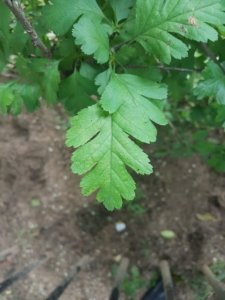
First up is Hawthorn leaves (Crataegus monogyna). The leaves appear in early spring and have a distinctive, lobed shape. I’ll be eating the leaves raw in salads, and as a snack straight from the tree. My favourite use for them is to flash fry them in hot oil (10 seconds max) and sprinkle with sea salt for a nutty, leaf crisp.

You can find a video recording of the Hawthorn Wednesday Weed Waffle here, also included are an audio recording and an accompanying eBook.
 

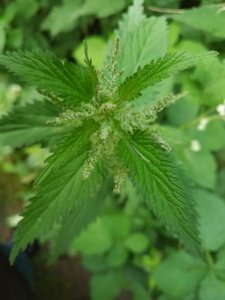
Stinging nettles (Urtica dioica) grow just about anywhere but they particularly like waste ground and road side verges. I could literally fill a day with talking about nettles, but my favourite use for them in spring time is to make cordial for refreshing cold drinks and warming hot drinks.

You can find a video recording of the Stinging Nettle Wednesday Weed Waffle here, also included are an audio recording and an accompanying eBook.
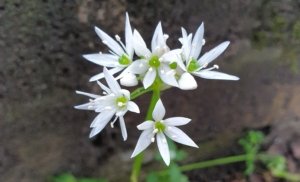
Wild garlic (Allium ursinum). I can’t talk about spring without mentioning wild garlic. Although nasties grow alongside it, there’s nothing that looks like it and smells of garlic so you can’t really go wrong. Much like everyone else, my favourite use is to make cheese and wild garlic scones.
3 March 2025/0 Comments/by Gavin
https://foundfood.com/wp-content/uploads/2025/01/1-2.png 1350 1080 Gavin https://foundfood.com/wp-content/uploads/2024/05/Found_Food_Foraging_newlogo-300x158.png Gavin2025-03-03 12:00:102025-02-03 14:35:023 Things You Can Forage For In March

All About Chickweed

2025, Stellaria media

Chickweed is nutrient and medicinal component rich, and grows just about everywhere, and in large quantities. It tastes like a mild rocket leaf raw, and is so freely available that it’s a surprise that we don’t use it more.

Habitat

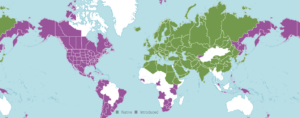
Stellaria media is widespread in North America, Europe and Asia. A cool-season annual plant native to Europe, but naturalized in many parts of North America.
Description

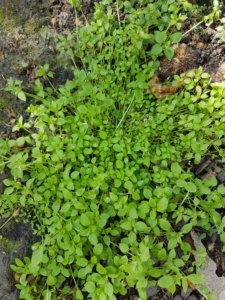
The plants are annual and with weak slender stems, they reach a length up to 40 cm, and can form mounds 50 cm high on rich soil. Sparsely hairy, with hairs in a line along the stem. Very common in lawns, meadows, waste places and open areas. It likes growing in disturbed soil and can produce new plants from seed several times a year.

Etymology

The name Stellaria is derived from the word ‘stellar’ meaning ‘star’, which is a reference to the shape of its flowers. Media is derived from Latin and means ‘between’, ‘intermediate’, or ‘mid-sized’.
Identifying Features

  • Hairs – Stellaria has fine hairs on only one side of the stem in a single band and on the sepals. This like of hairs has been observed to switch sides of the stem when it reaches a leaf axil. Other members of the family Caryophyllaceae which resemble Stellaria have hairs uniformly covering the entire stem.
  • Leaves – The leaves are oval and opposite, the lower ones with stalks.
  • Flowers – Flowers are white and small with 5 very deeply lobed petals. Usually 3 stamens and 3 styles.
  • Seeds – The flowers are followed quickly by the seed pods. This plant flowers and sets seed at the same time.

Food Uses

Stellaria media is edible and nutritious, and is used as a leaf vegetable, often raw in salads. It is one of the ingredients of the symbolic dish consumed in the Japanese spring-time festival, Nanakusa-no-sekku.
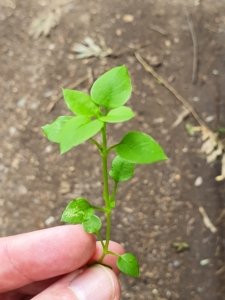
  • Young leaves – raw or cooked as a potherb. Very nutritious, they can be added to salads whilst the cooked leaves can scarcely be distinguished from spring spinach. I find that they taste like a mild version of rocket, so make an excellent salad leaf (although when young, I throw in the stem and all, not just the leaves).
  • Seed – allegedly ground into a powder and used in making bread or to thicken soups; however, it would be very fiddly to harvest any quantity of this seed since it is produced in small quantities throughout most of the year and is very small. The seed contains 17.8% protein and 5.9% fat.

Medicine Uses

Chickweed has a very long history of herbal use, being particularly beneficial in the external treatment of any kind of itching skin condition. It has been known to soothe severe itchiness even where all other remedies have failed.

Harvesting

Young leaves can be available all year round if the winter is not too severe. Seeds may also be available for most of the year.

For medicines, Chickweed is best harvested between May and July, it can be used fresh or be dried and stored for later use.


Don’t forget to register for the FREE, weekly forager’s community call – the Wednesday Weed Waffle to hear more about this wild edible and many more!

10 February 2025/0 Comments/by Gavin
https://foundfood.com/wp-content/uploads/2025/02/1.png 1350 1080 Gavin https://foundfood.com/wp-content/uploads/2024/05/Found_Food_Foraging_newlogo-300x158.png Gavin2025-02-10 12:00:542025-02-04 12:28:14All About Chickweed

3 Things You Can Forage For In February

2025, Sarcoscypha coccinea, Stellaria media, Taraxacum officinale

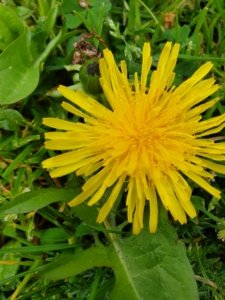
First up is Dandelions (Taraxacum officinale). They sometimes persist through the winter and are always one of the first to appear in spring. I’ll be the leaves raw in salads, the roots for a flavoursome coffee substitute and when the flowers appear I’ll be making wine.

You can find a video recording of the Dandelions Wednesday Weed Waffle here, also included are an audio recording and an accompanying eBook.
Scarlet Elf Cup fungus (Sarcoscypha coccinea) love to grow on dead wood, particularly silver birch, and in wet conditions. They grow up to 5cm and are deep red. They’re edible raw or cooked, and because of their shape and colour I like to float them in bowls of mushroom and bittercress soup.

Chickweed (Stellaria media) is nutrient and medicinal component rich, and grows just about everywhere, and in large quantities. It tastes like a mild rocket leaf raw, and is so freely available that it’s a surprise that we don’t use it more.

3 February 2025/0 Comments/by Gavin
https://foundfood.com/wp-content/uploads/2025/01/1-1.png 1350 1080 Gavin https://foundfood.com/wp-content/uploads/2024/05/Found_Food_Foraging_newlogo-300x158.png Gavin2025-02-03 12:00:172025-02-03 14:34:543 Things You Can Forage For In February

3 Things You Can Forage For In January

2025, Auricularia auricula-judae, Cardamine hirsuta, Glechoma hederacea

First up is ground ivy (Glechoma hederacea). It persists through the winter and is easily recognisable with its kidney shaped, scalloped edged leaves, and mint-meaty smell. I’ll be using it in stocks, gravies and sauces, as well as to flavour creams in desserts!

You can find a video recording of the Wednesday Weed Waffle zoom call, an audio recording, and an accompanying ebook here: https://courses.foundfood.com/ground_ivy

Hairy bittercress (Cardamine hirsuta) which is neither noticeably hairy, nor bitter, but does taste exactly like cress! Lovely in sandwiches, salads, and of course the classic egg salad.

Judas’ ears fungus (Auricularia auricula-judae) also known as wood ears and jelly ears, and formerly known as Jew’s ears. These mushrooms really stand out at this time of year with their dark skin colour and ear shaped growths. They’re pretty versatile, you can powder them and use as a thickener, or dehydrate them then rehydrate in your favourite syrup or liqueur and dip in chocolate.

20 January 2025/0 Comments/by Gavin
https://foundfood.com/wp-content/uploads/2025/01/1.png 1350 1080 Gavin https://foundfood.com/wp-content/uploads/2024/05/Found_Food_Foraging_newlogo-300x158.png Gavin2025-01-20 12:00:572025-02-03 14:34:393 Things You Can Forage For In January
Page 1 of 3123
Search Search

Categories

  • 2017
  • 2018
  • 2024
  • 2025
  • Aegopodium podograria
  • Alliaria petiolata
  • Allium
  • Allium ursinum
  • Allium vineale
  • Allium vineale
  • April
  • Artemisia vulgaris
  • Asteraceae
  • August
  • Auricularia auricula-judae
  • Autumn
  • Ballota nigra
  • Berries
  • Boletus edulis
  • Calocybe gambosa
  • Cardamine hirsuta
  • Castanea sativa
  • Chamaenerion
  • Chamaenerion
  • Chamaenerion angustifolium
  • Cirsium vulgare
  • Coastal
  • Conopodium
  • Conopodium majus
  • Coprinus comatus
  • Crataegus
  • Crataegus monogyna
  • February
  • Flowers
  • Foraging
  • Fragaria vesca
  • Fungus
  • General
  • Geranium molle
  • Glechoma
  • Glechoma hederacea
  • Grifola frondosa
  • Inula helenium
  • January
  • June
  • Juniperus
  • Lamium album
  • Lamium purpureum
  • Larix
  • Larix decidua
  • Larix larcina
  • Lavandula
  • Leaves
  • Mahonia aquifolium
  • March
  • Medicine
  • Melissa
  • Melissa officinalis
  • October
  • Onagraceae
  • Picea
  • Picea abies
  • Picea glauca
  • Picea sitchensis
  • Pinus contorta
  • Pinus strobus
  • Plants
  • Platanus x acerifolia
  • Prunella
  • Prunella vulgaris
  • Prunus
  • Prunus spinosa
  • Rabelera
  • Recipe
  • Reynoutria
  • Reynoutria japonica
  • Ribes
  • Ribes rubrum
  • Roots
  • Rosa canina
  • Rosaceae
  • Rumex acetosa
  • Rumex crispus
  • Sambucus nigra
  • Sarcoscypha coccinea
  • Sequoia
  • Sequoia sempervirens
  • Sequoiadendron
  • Silene
  • Silene dioica
  • Smyrnium olusatrum
  • Solanum
  • Solanum americanum
  • Spring
  • Stachys
  • Stachys sylvatica
  • Stellaria
  • Stellaria media
  • Stellaria nemorum
  • Summer
  • Survival
  • Symphytum officinale
  • Symphytum x uplandicum
  • Taraxacum
  • Taraxacum officinale
  • Thuja occidentalis
  • Thuja plicata
  • Tilia
  • Tilia cordata
  • Tree
  • Tsuga
  • Tsuga canadensis
  • Tsuga heterophylla
  • Tussilago farfara
  • Typha angustifolia
  • Typha latifolia
  • Uncategorised
  • Urtica dioica
  • Urticaceae
  • Video
  • wildlife
  • Winter
Privacy & Cookies: This site uses cookies. By continuing to use this website, you agree to their use.

To find out more, including how to control cookies, see here: Cookie Policy

FoundFood

  • Home
  • Contact
  • About

Helper Sites

  • The Forager Helper
  • The Wild Herbalist Helper (coming soon…)

Courses and Walks

    • Face-to-face experiences
    • Private events
    • Online Courses
    • FREE Weekly Foraging Zoom Calls


Publications

    • Publications
    • Newsletter


Trustpilot
© Copyright - Found Food
  • Link to Instagram
  • Link to Facebook
  • Link to Youtube
  • Terms of Service
  • Privacy Policy
Scroll to top Scroll to top Scroll to top

This site uses cookies. By continuing to browse the site, you are agreeing to our use of cookies.

Accept settingsHide notification onlySettings

Cookie and Privacy Settings


How we use cookies

We may request cookies to be set on your device. We use cookies to let us know when you visit our websites, how you interact with us, to enrich your user experience, and to customize your relationship with our website.

Click on the different category headings to find out more. You can also change some of your preferences. Note that blocking some types of cookies may impact your experience on our websites and the services we are able to offer.

Essential Website Cookies

These cookies are strictly necessary to provide you with services available through our website and to use some of its features.

Because these cookies are strictly necessary to deliver the website, refusing them will have impact how our site functions. You always can block or delete cookies by changing your browser settings and force blocking all cookies on this website. But this will always prompt you to accept/refuse cookies when revisiting our site.

We fully respect if you want to refuse cookies but to avoid asking you again and again kindly allow us to store a cookie for that. You are free to opt out any time or opt in for other cookies to get a better experience. If you refuse cookies we will remove all set cookies in our domain.

We provide you with a list of stored cookies on your computer in our domain so you can check what we stored. Due to security reasons we are not able to show or modify cookies from other domains. You can check these in your browser security settings.

Other external services

We also use different external services like Google Webfonts, Google Maps, and external Video providers. Since these providers may collect personal data like your IP address we allow you to block them here. Please be aware that this might heavily reduce the functionality and appearance of our site. Changes will take effect once you reload the page.

Google Webfont Settings:

Google Map Settings:

Google reCaptcha Settings:

Vimeo and Youtube video embeds:

Privacy Policy

You can read about our cookies and privacy settings in detail on our Privacy Policy Page.

Privacy Policy
Accept settingsHide notification only

Loading Comments...